Before You Pack the Car: A Traveler's Field Guide to Parasite Risks in 8 Popular US Vacation Spots
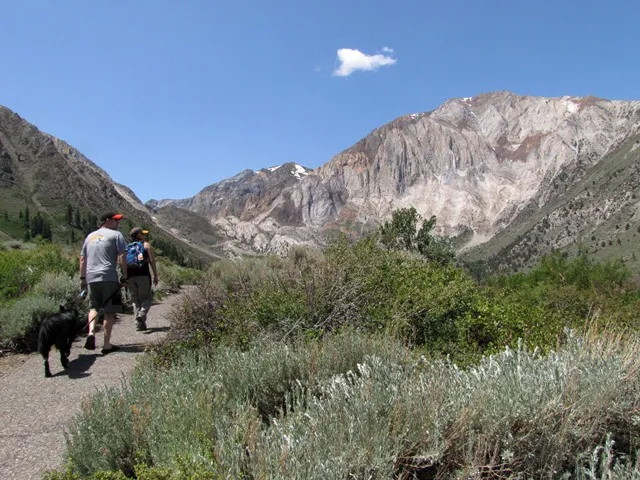
Photo: Region 5 Photography, CC BY 2.0, via Wikimedia Commons
Vacation brochures rarely mention Giardia. But every year, travelers return from lakeside cabins, national park hikes, and beach weeks carrying more than souvenirs. Parasitic exposure in the United States follows geography and activity—and knowing where the risks concentrate is half the battle. Here's a destination-by-destination breakdown for the trips Americans actually take.
1. Lake Cabins and Freshwater Swimming (Minnesota, Wisconsin, Ozarks)
The organism: Giardia duodenalis and Cryptosporidium.
How exposure happens: Swallowing even a mouthful of untreated lake or stream water. Beavers and other wildlife contaminate shorelines; the cysts survive chlorination poorly at pool levels but thrive in open water.
Prevention: Filter or boil drinking water. Keep your mouth closed while swimming. Shower after swims in warm, shallow lakes where kids play.
2. Gulf Coast and Atlantic Beach Towns (Florida, the Carolinas)
The organism: Hookworm (Ancylostoma) larvae in sand, particularly where animals defecate near dunes.
How exposure happens: Walking barefoot through contaminated sand. Larvae penetrate skin, causing cutaneous larva migrans—an itchy, winding rash.
Prevention: Wear sandals on public beaches, use beach mats, and shower promptly. Avoid sitting directly in sand where dogs are walked.
3. National Park Backcountry (Appalachian Trail, Yosemite, Yellowstone)
The organism: Giardia and Diphyllobothrium (fish tapeworm) in northern lakes.
How exposure happens: Drinking from 'pristine' mountain streams—a myth park rangers fight constantly—and eating undercooked freshwater fish.
Prevention: Every backpacker should carry a filter rated for protozoa or chemical treatment. Cook caught fish thoroughly.
4. RV Campgrounds and Family Campsites (National Forests, KOAs)
The organism: Pinworms and E. coli-carried parasites via shared surfaces.
How exposure happens: Communal restrooms, playgrounds, and picnic tables. Pinworm eggs survive on surfaces for up to two weeks.
Prevention: Rigorous handwashing before eating, sanitize picnic surfaces, and—critically—treat the whole family if one child shows nighttime anal itching.
5. Southern River Float Trips (Texas, Oklahoma, Missouri)
The organism: Naegleria fowleri (rare but deadly) and swimmer's itch cercariae.
How exposure happens: Warm, stagnant freshwater forced up the nose during diving or jumping; cercariae from waterfowl burrowing into swimmers' skin.
Prevention: Use nose clips when swimming in warm still water; towel off immediately after exiting lakes with snail populations.
6. Agritourism Farms and Petting Zoos (Vermont, Kansas, California)
The organism: Cryptosporidium and roundworm from livestock contact.
How exposure happens: Touching animals or fences, then eating without washing hands. Young calves and lambs shed enormous parasite loads.
Prevention: Handwashing stations exist for a reason—use them before snacks. Keep kids' hands away from faces during visits.
7. Desert Hot Springs and Southwest Swimming Holes (Arizona, Utah)
The organism: Naegleria fowleri in geothermally warmed water.
How exposure happens: Submerging in hot springs and slot canyon pools where the amoeba thrives above 80°F.
Prevention: Keep heads above water. This risk is rare but catastrophic—prevention is the only defense.
8. Hunting and Fishing Lodges (Montana, Alaska, Upstate New York)
The organism: Toxoplasma gondii and trichinella from game meat.
How exposure happens: Undercooked bear, wild hog, or venison; field dressing without gloves.
Prevention: Cook game to 160°F internally, wear gloves when dressing animals, and freeze meat at 5°F for 20+ days when possible.
The Post-Trip Checklist
Watch for warning signs in the two weeks after any of these trips: persistent diarrhea, unexplained itching, abdominal cramping, or—especially in children—nighttime restlessness. Many common intestinal parasites are readily treatable with accessible medications like albendazole, and early treatment prevents household spread. A little pre-trip preparation and post-trip vigilance means the only thing you bring home is the photo album.